In this Ask the Doctor feature, Blooming's plastic surgeons answer the questions patients most frequently ask about eyelid corrections. From understanding the difference between upper and lower eyelid procedures to knowing what to expect from recovery and when insurance reimbursement applies, these expert answers provide a thorough guide to the topic. Whether you're dealing with drooping lids or under-eye bags, this article helps you decide whether eyelid surgery could be right for you.
Each month, one of our plastic surgeons takes the floor in this column. The surgeon answers the 5 most frequently asked questions about a specific treatment.
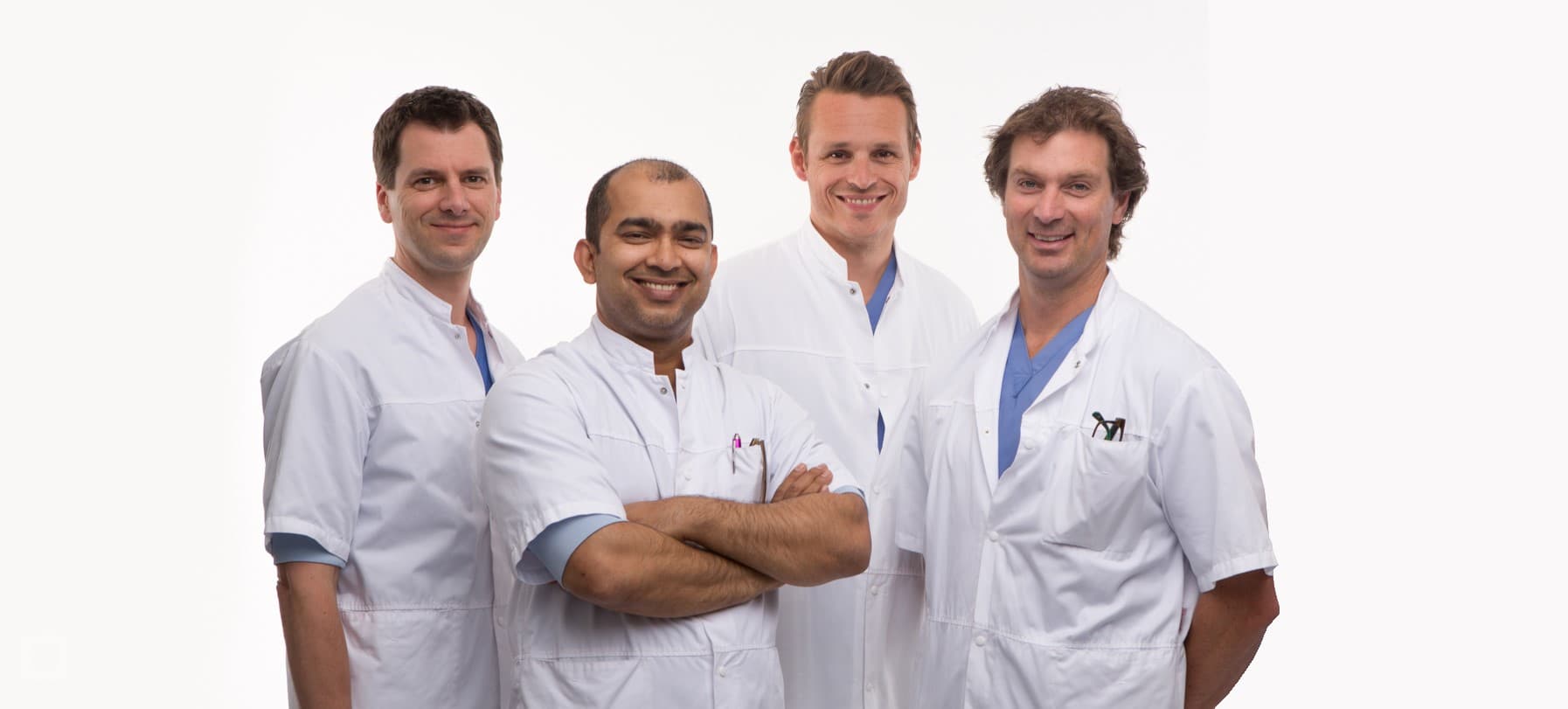
This month, drs. Kalam Ahmed answers the most frequently asked questions about an eyelid correction.
Am I eligible for reimbursement by my health insurer?
Nowadays, reimbursement for an eyelid correction is very difficult to obtain. Insurers, backed by the government, apply very strict criteria. Most people who experience problems with their eyelids and would like a correction do not meet these criteria. In the eyes of the law, it is then deemed a non-medical procedure. Even if you do meet the criteria, you also need to have extensive supplementary insurance. This is also why we perform many of these procedures at the patient's own expense, and as a group we have decided to reduce our rates so that the treatment is accessible to as many people as possible.
Is the treatment performed under general anaesthesia?
In principle, this is a treatment that can be performed very well under local anaesthesia. The anaesthetic injection is somewhat uncomfortable, but all patients say they would happily go through it again. After the anaesthetic injection, the rest of the procedure is pain-free — you may feel the surgeon's touch at most. On rare occasions I have performed the procedure under general anaesthesia, at the patient's explicit request due to extreme needle phobia. The disadvantage of general anaesthesia is that you need an additional consultation at the pre-operative clinic, must fast beforehand, and may experience nausea after the procedure, as well as sleeping it off in hospital. In addition, the procedure is considerably more expensive due to all the extra costs.
Can my eyes still close after the treatment?
The eyes can certainly close after the procedure. The treating plastic surgeon will ensure that the exact right amount of skin is removed. Immediately after the operation, there is often some swelling, which may prevent the eyes from closing fully, but this resolves fairly quickly.
How long will I be unable to work after the treatment?
This depends on the type of work, and can range from 2 days to a maximum of 2 weeks. As a general rule, if you carry out computer-based work you can expect to be back at your desk within a few days. If your work is physically demanding, you will need to wait considerably longer.
How long will the scars be visible?
Scars from eyelid corrections are always very neat. This is because the skin on the eyelid is extremely thin — just tenths of a millimetre. The scar is slightly perceptible at first, but within a few weeks it becomes supple and virtually invisible.
Will I look surprised after the operation?
A surprised expression is primarily caused by the position of the eyebrows. An eyelid correction does not change the position of the eyebrow. So the answer to that would be no. During the consultation, the plastic surgeon will assess whether there is an indication for an additional brow correction.
If you would like more information about the treatment, we would be happy to invite you for a consultation. You can make an appointment here.