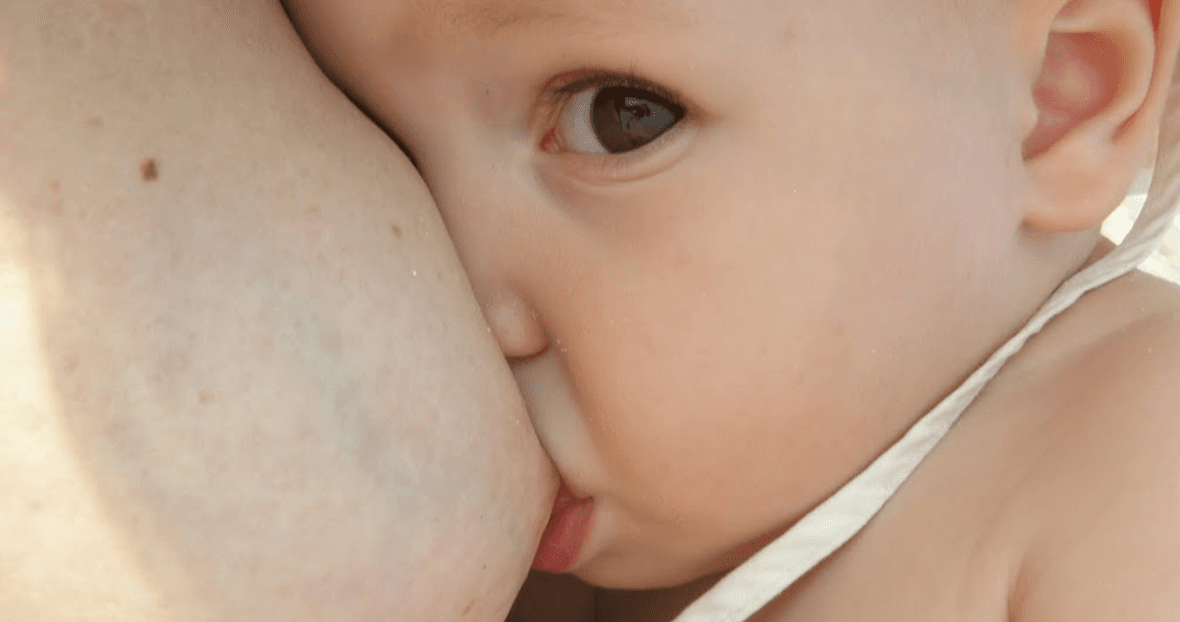
One of the most common questions from women considering breast augmentation is whether they will still be able to breastfeed after surgery. The good news is that the majority of women with breast implants are able to breastfeed successfully, though the ability depends on the placement of the implants and whether any breast tissue or milk ducts were affected during surgery. In this article, our plastic surgeons explain the factors that influence breastfeeding after augmentation, what techniques minimise any risk, and what to discuss with your surgeon before your procedure if breastfeeding is important to you.
 If you have had a breast augmentation, you can often still breastfeed normally. However, this does depend on the type of breast augmentation: an implant can be inserted through an incision in the breast fold, in the armpit, or around the areola. Discuss with the plastic surgeon whether you have chosen or will undergo the right method for you, and whether silicone implants have any effect on breast milk and your baby.
Pregnant after a breast augmentation
Your breasts change during pregnancy. It is therefore not advisable to have a breast augmentation if you are planning to become pregnant in the near future. It is better to postpone the breast augmentation until after the pregnancy, so that the surgeon can take into account factors such as skin elasticity and breast volume following pregnancy. The end result is then often more beautiful.
Methods for inserting implants
A breast implant can be inserted in several ways, but as a rule this is done via a small incision in the breast fold. The advantage of this method is that the scars are positioned in the new breast fold, making them less noticeable. It has also been scientifically proven that this method carries the lowest risk of capsular contracture. Other ways to insert a breast implant are via the areola or via the armpit. These methods are less commonly used.
If the implant is inserted via the nipple, you may experience difficulties with breastfeeding later on. The surgeon must cut through part of the milk ducts during the breast augmentation, which reduces milk production. This means you may not produce sufficient milk for your baby. When implants are inserted via the armpit or beneath the breast, the milk ducts remain intact. This therefore has no effect on breastfeeding.
Breast augmentation with your own fat
Breast augmentation with your own fat (lipofilling) is becoming increasingly popular. With this method, the plastic surgeon removes fat from your abdomen, buttocks, or hips and then injects it into your breasts. Because an incision in the breast fold is often made for this purpose, it does not interfere with breastfeeding later on. Unfortunately, this method is not suitable for everyone, as sufficient fat must be present to achieve the desired volume.
Breast augmentation for underdeveloped breasts
If you want or have had a breast augmentation due to underdeveloped breasts, breastfeeding may remain a challenge. There is already less glandular tissue present before the procedure, which means you produce less breast milk — and this does not change after the breast augmentation.
Silicone in breast milk?
Extensive research has been conducted into the effect of silicone implants on breast milk. In studies involving thousands of mothers, no difference was found between mothers with and without a breast augmentation. The breast milk contains the same amount of silicon. Breast milk — from mothers with and without breast implants — always contains less silicon than formula milk and cow's milk.
Discuss your questions with the surgeon
Are you considering a breast augmentation but worried you may no longer be able to breastfeed? Consult with the treating surgeon so that they can take this into account. Make an appointment with one of the plastic surgeons at Clinic Blooming.