There is no single "right" age for a facelift — the best time depends on your individual facial ageing process, your skin quality, and your personal goals. Most facelift patients are in their forties, fifties, or sixties, but the procedure can be appropriate at a range of ages. In this article, our plastic surgeons at Blooming discuss what factors determine the ideal timing for a facelift, how results differ depending on age, and why having the procedure too early or too late can affect the outcome. A personalised consultation is always the best way to determine what is right for you.
While some people are still blessed with a youthful appearance at fifty, others are already bothered by wrinkles, under-eye bags and sagging cheeks at thirty-five. It is clear: there is no simple answer to the question of what age a facelift yields the best results. With a facelift, you can very effectively counteract the signs of facial ageing. For advice, schedule a consultation with one of our plastic surgeons.
Ageing: a combination of factors
How old you look depends on a combination of genetics and your lifestyle. If you naturally have a slightly oilier skin, for example, you are automatically somewhat better protected against the formation of fine lines and wrinkles.
Changes in the skin
There are a number of natural ageing processes that contribute to the formation of wrinkles. For instance, the structure of the skin changes: it becomes less elastic, rougher and drier. The supply of nutrients also decreases and the natural regenerative capacity diminishes. Fortunately, there are also a number of factors that you can control yourself. For example, your skin ages more slowly when you protect it well from the sun and use a nourishing cream daily.
Shifting of subcutaneous fat tissue
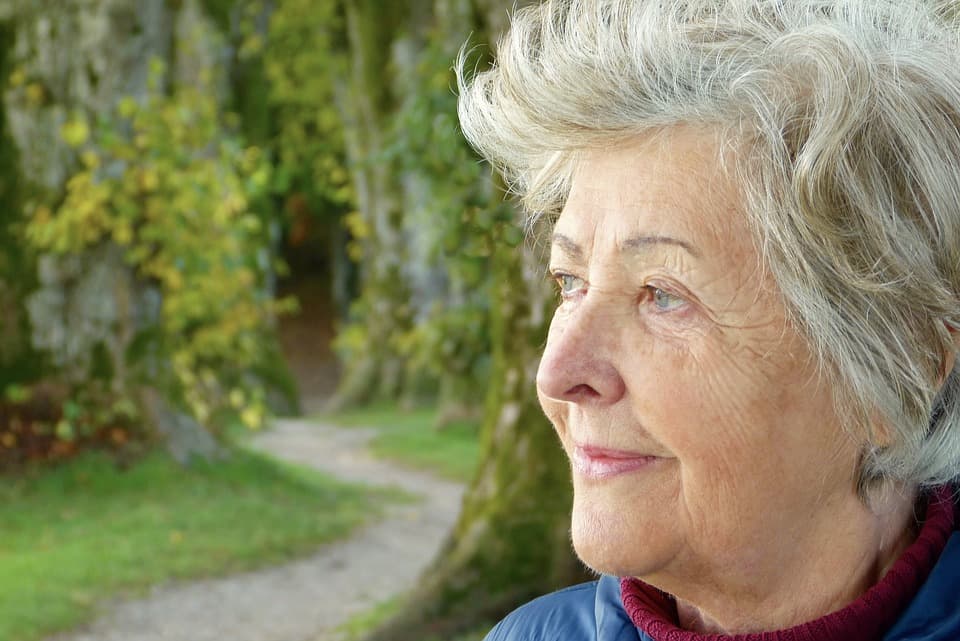
Another factor that contributes to an older facial appearance is the redistribution of subcutaneous fat tissue. In general, this gradually shifts from the upper to the lower part of the face over the course of your life. Young children typically have chubby cheeks, while people in their sixties usually have slightly more hollowed cheeks.
Changes in bone structure
The third ageing process that affects how old you look is the change in bone structure. Just as with subcutaneous fat tissue, the volume of bone mass decreases. This creates the characteristic hollowing in the face that we do not see in younger people. Typical areas where changes in bone structure become apparent are the jaw, cheekbones and temples. In addition to the facelift, fillers offer the possibility of subtly adding extra volume to your face.
Healthy eating, drinking water and sufficient sleep
We all know it really: a healthy lifestyle contributes to a young and fresh appearance and ensures that ageing processes set in a little more slowly. Those who want to look young drink alcohol in moderation, do not smoke, eat healthily and ensure they get enough sleep every night.
A facelift can be performed at any age
Because your appearance depends on so many different factors, we recommend a facelift to one patient at the age of early forties while we might advise another to wait a while longer. Fortunately, you are rarely too old for a facelift. The risks of complications do not increase as you get older.
Advice from a plastic surgeon
Are you bothered by signs of facial ageing and would you like to know whether a facelift might offer a solution? Schedule a consultation with one of Blooming's plastic surgeons for comprehensive advice. You can reach us by phone on 023 544 4974 or by sending a message to info@blooming.nl.