
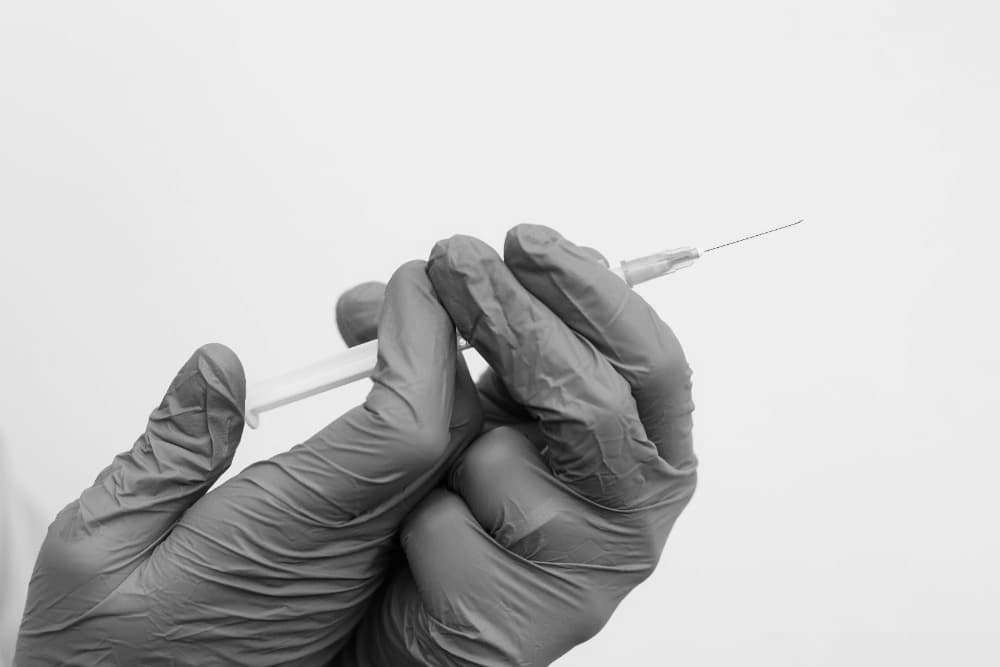
Anaesthesia and narcosis play a crucial role in plastic surgical procedures, ensuring the comfort and safety of the patient during surgery. These procedures allow patients to be pain-free and unaware of the surgical actions being performed.
Anaesthesia and narcosis play a crucial role in plastic surgical procedures, ensuring the comfort and safety of the patient during the operation. These procedures allow patients to be pain-free and unaware of the surgical actions being performed. The use of the correct form and dosage of anaesthesia is essential to minimise the risk of complications and to ensure a successful operation and recovery.
Anaesthesia and Narcosis: An Overview
Anaesthesia is a medical practice used to suppress a person's consciousness and reduce pain during an operation or medical procedure. There are various forms of anaesthesia, including local, regional and general anaesthesia, each with specific applications in the context of plastic surgical procedures.
Local Anaesthesia
Local anaesthesia is often used for minor procedures and numbs a specific part of the body, while the patient remains conscious. It is usually administered by injecting a local anaesthetic around the operation site, reducing pain and discomfort during the procedure.
Regional Anaesthesia
Regional anaesthesia blocks pain in a larger part of the body and is often used in operations on the limbs or in procedures such as liposuction. A common form of regional anaesthesia is a nerve block, in which specific nerves are temporarily disabled using local anaesthetics, resulting in numbness in that part of the body.
General Anaesthesia
General anaesthesia ensures that a patient is fully unconscious and feels no pain or discomfort during the operation. This is usually achieved by administering anaesthetics via intravenous injection or inhalation, placing the patient in a deep state of sleep for the entire duration of the operation.
Safety and Monitoring
The use of anaesthesia and narcosis carries certain risks, such as breathing difficulties, allergic reactions and blood pressure fluctuations. It is therefore of critical importance that a qualified anaesthesia team closely monitors the patient's vital signs during the operation and carefully regulates the dosage of anaesthetics to minimise complications.
Prior to a plastic surgical procedure, it is essential to have an extensive consultation with the anaesthetist, during which the patient's medical history is thoroughly evaluated and the most appropriate form of anaesthesia is determined based on the nature and duration of the planned operation. This contributes to a safe and effective surgical experience for the patient.